
It’s somewhat rare that the dominant topic for a week is the same between /r/churning and private MS groups. That occurred (kind of) last week, when tons of people started getting hit by 4506-C requests from Citi, largely combined with a lock on all cards on the account until it was cleared.
It was quickly thought that these requests were tied to the use of a modified application link from our comrades across the Pacific that frequently reverse engineer links like this. However, there were people that didn’t use the link that still received the request.
While there are different theories for what happened, it certainly appears as though this is a Citi issue and not a precursor to a shutdown. Not something to lose sleep over, outside of the obvious of getting eyes on your account.
I wanted to touch further on risk, and factoring in the cost and benefit into your own risk tolerance as a follow up to last week’s post.
First, let’s talk about the modified links themselves. There have been very few incidents related to modified links over the years. The most famous is the Amex Platinum leaked link circa Thanksgiving 2016 when we were all over the moon to get 100k MRs (oh, how times have changed) that were largely frozen afterwards.
That being said, the majority of leaked links out there are from Amex, and as we all know, while Amex may be trying to stop you from getting a bonus over and over, they certainly don’t make it difficult to keep getting card after card or seem to care much when you do.
Unless I missed it (or I’m not privy to it), I haven’t seen many linked links from Citi over the years, perhaps because one SUB per card per 48 months is generally something you’re held to with Citi. Citi has also stepped up the aggression on KYC calls in the preceding months.
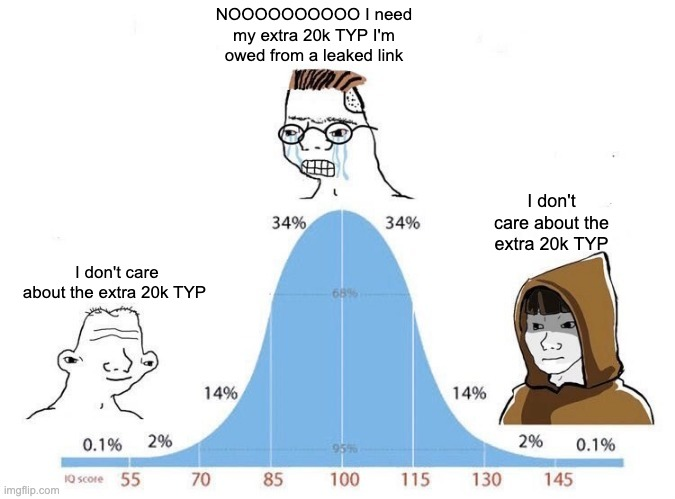
There is a quote that I swear is an adage, but Google says it isn’t really one – “only commit one crime at a time”. People on reddit may have just wanted that extra 20k TYP, but for a lot of us, that 20k was really not a big part of the whole equation.
When you know you’re going to use the card to do something that Citi doesn’t like, why risk any further scrutiny for an amount that really isn’t that much in the grand scheme of things? And before you say “but what about the Amex links, everybody was MSing those too?!?” – those links were the difference between a 250k SUB or nothing, not 80k TYP vs 100k TYP.
I got mine the old fashioned way, through the public landing page. The way I think about it is – while leaked links generally aren’t risky to use, is 20k TYP (especially when the TYP market is quiet as a mouse right now) worth it? I’d say no, especially since that 20k TYP is only going to be 13% of the haul you’d get after a single month of maxing out a 25k CL.
As always, Matt at MEAB already wrote about this years ago. SUBs are such a small part of the equation, especially on a card with big bonus categories and large credit limits. Personally, I’m ok to leave $200 on the ground for a 5% chance of being more likely to stay in Citi’s good graces for a little while longer.
Ultimately, it is always up to you on what to do when an opportunity to take a profitable risk prevents itself. Just make sure you’re weighing what you’re really getting in return. It may not be worth it even for a small amount of risk, especially when playing games with Citi feels like playing Don’t Wake Daddy.
I hope everyone who has chosen to partake in this particular gamble eats well this weekend.
One response to “On risk: A real world example”
[…] affectedFor a non-mainstream take on the risk versus reward of using the heightened offer links, see Chasing Cetaceans, my favorite new churning […]